Wages
Heavy-Duty Mechanic Pay in Canada (2026)
Updated November 12, 2026
In Canada, the median wage for Heavy-duty equipment mechanics (NOC 72401) is $37.12 an hour (Job Bank, data from 2023 to 2024, published November 19, 2025). Pay depends on the province and the region. The tables below give the low, median and high wage for each province, territory and region with a Job Bank figure.
What do heavy-duty mechanics earn in Canada?
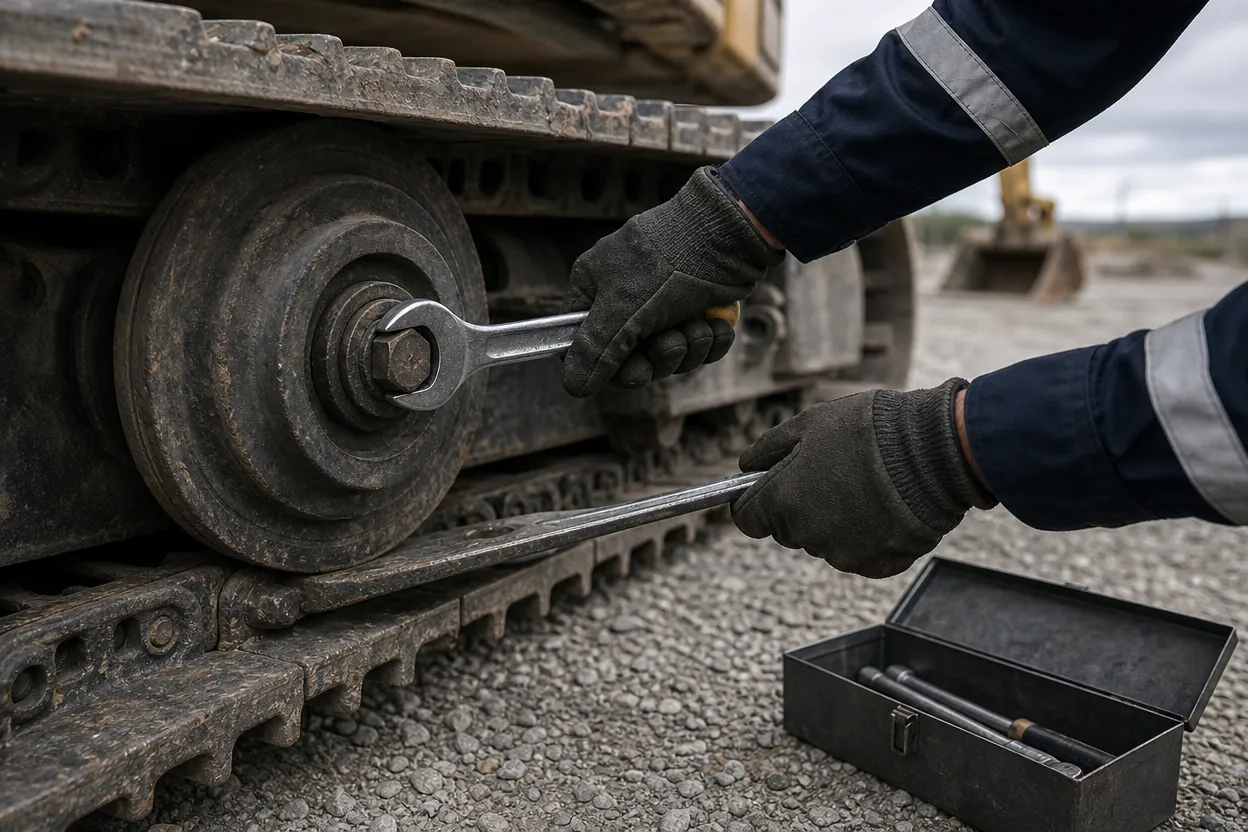
The first table gives Job Bank's wages for heavy-duty equipment mechanics across Canada. The group covers mechanics who repair mobile heavy-duty equipment, from construction and mining machines to farm equipment, and it includes apprentices. Construction millwrights, industrial mechanics and motor vehicle diesel engine mechanics are in other groups, so these figures do not include them. Half of the workers in a group earn more than the median, and half earn less.
Heavy-duty mechanic wages across Canada
Heavy-duty mechanic wages in every province and territory
Heavy-duty equipment mechanics (NOC 72401) · Hourly · Dated November 19, 2025
| Place | Low | Median | High |
|---|---|---|---|
| Newfoundland and LabradorData from 2023 to 2024 | $23.87[1] | $39.63[1] | $55.85[1] |
| Prince Edward IslandData from 2023 to 2024 | $19.00[1] | $28.00[1] | $38.46[1] |
| Nova ScotiaData from 2023 to 2024 | $20.00[1] | $31.26[1] | $41.00[1] |
| New BrunswickData from 2023 to 2024 | $20.00[1] | $29.00[1] | $40.20[1] |
| QuebecData from 2023 to 2024 | $24.00[1] | $33.00[1] | $47.00[1] |
| OntarioData from 2023 to 2024 | $22.00[1] | $35.00[1] | $51.19[1] |
| ManitobaData from 2023 to 2024 | $23.75[1] | $35.00[1] | $48.00[1] |
| SaskatchewanData from 2023 to 2024 | $22.50[1] | $37.00[1] | $51.50[1] |
| AlbertaData from 2023 to 2024 | $23.50[1] | $42.00[1] | $65.00[1] |
| British ColumbiaData from 2023 to 2024 | $27.00[1] | $45.00[1] | $55.50[1] |
| YukonData from 2024 | $30.34[1] | $44.17[1] | $56.86[1] |
| Northwest TerritoriesData from 2024 | $32.87[1] | $52.22[1] | $82.01[1] |
| NunavutData from 2023 to 2024 | $36.00[1] | $53.00[1] | $55.00[1] |
Which provinces pay heavy-duty mechanics the most?
In the province and territory table, Nunavut has the highest median, and Prince Edward Island has the lowest.
Sources1
Pay in cities and regions
The table below lists every region with a Job Bank figure. Find the region where the job is before you compare an offer.
Heavy-duty mechanic wages by region
Heavy-duty equipment mechanics (NOC 72401) · Hourly · Dated November 19, 2025
| Place | Low | Median | High |
|---|---|---|---|
| Avalon Peninsula, Newfoundland and LabradorData from 2023 to 2024 | $25.00[1] | $40.00[1] | $50.00[1] |
| Notre Dame–Central Bonavista Bay, Newfoundland and LabradorData from 2023 to 2024 | $23.00[1] | $36.00[1] | $57.00[1] |
| South Coast–Burin Peninsula, Newfoundland and LabradorData from 2023 to 2024 | $23.00[1] | $36.00[1] | $57.00[1] |
| West Coast–Northern Peninsula–Labrador, Newfoundland and LabradorData from 2023 to 2024 | $23.87[1] | $39.00[1] | $57.00[1] |
| Annapolis Valley, Nova ScotiaData from 2023 to 2024 | $20.00[1] | $28.00[1] | $41.00[1] |
| Cape Breton, Nova ScotiaData from 2023 to 2024 | $24.04[1] | $31.26[1] | $45.67[1] |
| Halifax, Nova ScotiaData from 2024 | $22.71[1] | $34.05[1] | $50.51[1] |
| North Shore, Nova ScotiaData from 2023 to 2024 | $19.20[1] | $30.57[1] | $41.00[1] |
| Southern, Nova ScotiaData from 2024 | $22.61[1] | $32.00[1] | $47.51[1] |
| Edmundston–Woodstock, New BrunswickData from 2023 to 2024 | $22.00[1] | $30.00[1] | $62.50[1] |
| Moncton–Richibucto, New BrunswickData from 2023 to 2024 | $23.00[1] | $30.00[1] | $37.00[1] |
| Saint John–St. Stephen, New BrunswickData from 2023 to 2024 | $17.50[1] | $28.00[1] | $35.25[1] |
| Abitibi-Témiscamingue, QuebecData from 2023 to 2024 | $28.00[1] | $40.00[1] | $50.00[1] |
| Bas-Saint-Laurent, QuebecData from 2023 to 2024 | $24.00[1] | $33.00[1] | $47.00[1] |
| Capitale-Nationale, QuebecData from 2023 to 2024 | $25.76[1] | $32.00[1] | $43.00[1] |
| Centre-du-Québec, QuebecData from 2024 | $23.95[1] | $31.93[1] | $40.19[1] |
| Côte-Nord, QuebecData from 2023 to 2024 | $26.50[1] | $37.12[1] | $53.40[1] |
| Estrie, QuebecData from 2023 to 2024 | $20.00[1] | $31.00[1] | $44.50[1] |
| Lanaudière, QuebecData from 2024 | $24.55[1] | $33.93[1] | $55.05[1] |
| Laurentides, QuebecData from 2023 to 2024 | $21.68[1] | $35.00[1] | $46.00[1] |
| Laval, QuebecData from 2024 | $24.40[1] | $33.70[1] | $47.63[1] |
| Mauricie, QuebecData from 2024 | $23.72[1] | $32.50[1] | $45.50[1] |
| Montérégie, QuebecData from 2023 to 2024 | $24.00[1] | $33.00[1] | $47.00[1] |
| Montréal, QuebecData from 2023 to 2024 | $20.00[1] | $34.00[1] | $36.32[1] |
| Nord-du-Québec, QuebecData from 2023 to 2024 | $26.50[1] | $37.12[1] | $53.40[1] |
| Outaouais, QuebecData from 2023 to 2024 | $20.00[1] | $30.00[1] | $42.00[1] |
| Saguenay–Lac-Saint-Jean, QuebecData from 2023 to 2024 | $25.00[1] | $30.00[1] | $41.42[1] |
| Hamilton–Niagara Peninsula, OntarioData from 2023 to 2024 | $25.00[1] | $36.71[1] | $49.00[1] |
| Kingston–Pembroke, OntarioData from 2023 to 2024 | $27.00[1] | $35.00[1] | $40.00[1] |
| Kitchener–Waterloo–Barrie, OntarioData from 2023 to 2024 | $22.00[1] | $35.00[1] | $51.19[1] |
| London, OntarioData from 2023 to 2024 | $23.00[1] | $35.00[1] | $50.00[1] |
| Muskoka–Kawarthas, OntarioData from 2024 | $24.65[1] | $34.33[1] | $45.79[1] |
| Northeast, OntarioData from 2023 to 2024 | $26.00[1] | $41.65[1] | $58.10[1] |
| Northwest, OntarioData from 2024 | $26.78[1] | $39.01[1] | $56.49[1] |
| Ottawa, OntarioData from 2023 to 2024 | $20.00[1] | $32.75[1] | $45.00[1] |
| Stratford–Bruce Peninsula, OntarioData from 2024 | $25.24[1] | $34.87[1] | $47.78[1] |
| Toronto, OntarioData from 2023 to 2024 | $22.00[1] | $35.00[1] | $51.19[1] |
| Windsor–Sarnia, OntarioData from 2024 | $25.33[1] | $34.33[1] | $47.19[1] |
| Interlake, ManitobaData from 2023 to 2024 | $35.00[1] | $40.75[1] | $48.00[1] |
| Parklands, ManitobaData from 2024 | $25.39[1] | $37.93[1] | $54.53[1] |
| South Central, ManitobaData from 2024 | $22.91[1] | $32.55[1] | $43.03[1] |
| Southeast, ManitobaData from 2023 to 2024 | $24.00[1] | $32.31[1] | $42.60[1] |
| Southwest, ManitobaData from 2023 to 2024 | $24.00[1] | $32.00[1] | $40.13[1] |
| Winnipeg, ManitobaData from 2023 to 2024 | $27.43[1] | $39.25[1] | $46.00[1] |
| Northern, SaskatchewanData from 2023 to 2024 | $19.00[1] | $38.00[1] | $51.50[1] |
| Prince Albert, SaskatchewanData from 2023 to 2024 | $19.00[1] | $38.00[1] | $51.50[1] |
| Regina–Moose Mountain, SaskatchewanData from 2024 | $25.56[1] | $36.26[1] | $48.61[1] |
| Saskatoon–Biggar, SaskatchewanData from 2023 to 2024 | $28.00[1] | $38.00[1] | $57.89[1] |
| Swift Current–Moose Jaw, SaskatchewanData from 2023 to 2024 | $21.00[1] | $35.23[1] | $46.15[1] |
| Yorkton–Melville, SaskatchewanData from 2023 to 2024 | $22.00[1] | $35.23[1] | $47.00[1] |
| Athabasca–Grande Prairie–Peace River, AlbertaData from 2023 to 2024 | $23.50[1] | $42.00[1] | $65.00[1] |
| Banff–Jasper–Rocky Mountain House, AlbertaData from 2023 to 2024 | $15.00[1] | $40.00[1] | $57.00[1] |
| Calgary, AlbertaData from 2024 | $28.10[1] | $41.03[1] | $58.02[1] |
| Camrose–Drumheller, AlbertaData from 2024 | $28.69[1] | $42.19[1] | $58.35[1] |
| Edmonton, AlbertaData from 2024 | $27.31[1] | $43.37[1] | $61.47[1] |
| Lethbridge–Medicine Hat, AlbertaData from 2024 | $26.26[1] | $39.23[1] | $53.95[1] |
| Red Deer, AlbertaData from 2023 to 2024 | $34.00[1] | $44.00[1] | $55.00[1] |
| Cariboo, British ColumbiaData from 2023 to 2024 | $27.00[1] | $43.25[1] | $60.10[1] |
| Kootenay, British ColumbiaData from 2023 to 2024 | $33.25[1] | $45.00[1] | $54.00[1] |
| Lower Mainland, British ColumbiaData from 2023 to 2024 | $25.40[1] | $45.00[1] | $55.50[1] |
| Nechako, British ColumbiaData from 2023 to 2024 | $23.00[1] | $44.80[1] | $53.00[1] |
| North Coast, British ColumbiaData from 2023 to 2024 | $23.00[1] | $44.80[1] | $53.00[1] |
| Northeast, British ColumbiaData from 2023 to 2024 | $30.00[1] | $46.00[1] | $57.60[1] |
| Thompson–Okanagan, British ColumbiaData from 2024 | $30.73[1] | $45.70[1] | $68.63[1] |
| Vancouver Island and Coast, British ColumbiaData from 2023 to 2024 | $22.00[1] | $42.00[1] | $62.00[1] |
How much do apprentice heavy-duty mechanics earn?
Some provinces set a minimum wage for apprentices. Nova Scotia and Saskatchewan set it as a share of the journeyperson wage. Manitoba sets it as a share of the provincial minimum wage.
Apprentice wage schedules by province
- Nova Scotia sets an apprentice's minimum wage at 55%, 65%, 75% and 90% of the journeyperson wage in the same place of employment for levels 1 to 4, each 1,800 hours long. The wage cannot be lower than the general minimum wage. An employer does not have to raise the wage until the apprentice completes the technical training for the level.[2][3]
- Manitoba's apprenticeship regulation bases a heavy duty equipment technician apprentice's minimum hourly wage on the provincial minimum wage. The shares for levels 1 to 4 are 150%, 170%, 190% and 200%. A payment agreement or enactment that is more favourable to the apprentice applies instead.[9]
- Saskatchewan's 2020 table, an unofficial consolidation, lists 40%, 47%, 54%, 61%, 68%, 75%, 82% and 90% for heavy duty equipment technician apprentices, one share for each 900 hours over 7,200 hours. Each share is a percentage of the hourly rate of a newly qualified journeyperson in the same establishment. These shares are minimums. Minimum wage requirements also apply, and a collective agreement with higher apprentice rates applies instead.[4]
Fair-wage rates compared with the median
Some public contracts set a rate for each trade. The list below gives two of them for heavy-duty mechanics. They are the City of Toronto fair wage schedule for industrial, commercial and institutional (ICI) work and Burnaby's fair wage schedule. Burnaby's schedule follows the standard union agreement rates in British Columbia. To compare a rate with the Job Bank median, find the Toronto or Lower Mainland row in the region table. The schedule rates are for one classification, and the Job Bank median covers everyone in the occupation group. The schedule rates are for 2026 and 2027, and the medians cover earlier years.
Published fair-wage rates for heavy-duty mechanics
- The City of Toronto fair wage schedule for ICI work lists $55.98 an hour, plus 10% vacation and holiday pay and $14.05 in fringe benefits, from May 3, 2026 for operating engineer group 1.2(A), which includes heavy duty mechanics.[5]
- From May 2, 2027, the Toronto ICI rate for group 1.2(A) rises to $57.67 an hour, plus 10% vacation and holiday pay and $14.40 in fringe benefits.[5]
- Burnaby's fair wage schedule lists $45.31 an hour plus $14.41 in remuneration, a total of $59.72, for a journeyperson heavy-duty mechanic in the commercial and institutional sectors. It follows the CLRA summary of standard union agreement rates for June 2026.[6]
How is overtime paid on public contracts?
On City of Toronto ICI contracts, hours past the weekly limit are paid at time and a half. The schedule lists a 40-hour week for the group that includes heavy duty mechanics. For other jobs, ask the employer how it pays overtime before you accept.
Sources5
Before you move for heavy-duty mechanic work
Check these points before you accept a job in another city or province.
- Compare the regional median, not only the provincial one. The region table lists each region under its province.
- Ask whether the job is on a public contract with a fair wage rate, such as a City of Toronto ICI contract. The fair-wage list above gives the rates.
- Ask whether a quoted rate is base pay or a total package. Burnaby's schedule, for example, adds remuneration on top of the wage.
- Ask whether the job is in a shop or in the field. For field work, ask what the employer pays for travel, meals and a vehicle.
- Check the certification rules. In Manitoba, heavy duty equipment technician is a voluntary trade, so you can work in it without being an apprentice or a journeyperson.
- If you have years in the trade but no certificate, ask about the trade qualification route. In Nova Scotia, it asks for 10,800 hours in the trade.
- Ask whether the employer pays more for a manufacturer certification, and whether it pays for the training.
- If you are an apprentice, check the wage schedule in the new province. The apprentice list above gives three schedules.
How to read these figures
The high wage is not a maximum.
Questions and answers
How much does a heavy-duty mechanic make in Ontario?
Ontario's low, median and high wages are in the province and territory table. For Toronto, Ottawa or another Ontario city, find its region under Ontario in the region table.
How much does a heavy-duty mechanic make in Alberta?
Alberta's wages are in the province and territory table. For Calgary, Edmonton or another Alberta city, find its region under Alberta in the region table.
How much does a heavy-duty mechanic make in British Columbia?
British Columbia's wages are in the province and territory table. For Vancouver or another British Columbia city, find its region under British Columbia in the region table. Burnaby's fair wage rate is in the fair-wage list.
How do I estimate my pay as an apprentice?
Find your province in the apprentice wage schedules. Each schedule sets a share of a base wage that the list names, such as a journeyperson rate. Multiply that base by the share for your level or hour block. The list says when a higher rate applies.
Do union heavy-duty mechanics earn more?
Burnaby's fair wage schedule follows standard union agreement rates in British Columbia. The fair-wage list gives its rate for a heavy-duty mechanic. Compare it with the Lower Mainland row in the region table.
Sources
- Job Bank open wage data (Wages dataset), 2025-11-19
Employment and Social Development Canada. Retrieved October 31, 2026
- Heavy Duty Equipment Technician Trade Regulations, N.S. Reg. 218/2018
Province of Nova Scotia, Office of the Registrar of Regulations. Retrieved October 31, 2026
- Apprenticeship and Trades Qualifications Act General Regulations (Nova Scotia)
Province of Nova Scotia, Office of the Registrar of Regulations. Retrieved November 11, 2026
- SATCC wage rates table for apprentices (2020)
Saskatchewan Apprenticeship and Trade Certification Commission (SATCC). Retrieved October 31, 2026
- Fair Wage Schedule 2025-2028, Industrial, Commercial and Institutional (I.C.I.) Work
City of Toronto, Fair Wage Office. Retrieved October 31, 2026
- Schedule A to the Fair Wage Schedule, Compensation Schedule (revised 2026 Aug 14)
City of Burnaby. Retrieved October 31, 2026
- Manitoba Designated Trades
Apprenticeship Manitoba, Government of Manitoba. Retrieved October 31, 2026
- National Occupational Classification (NOC) 2021 Version 1.0, unit group 72401 – Heavy-duty equipment mechanics
Employment and Social Development Canada. Retrieved November 11, 2026
- Apprenticeship and Certification — General Regulation, M.R. 154/2001, Schedule A.15 (Trade of Heavy Duty Equipment Technician)
Government of Manitoba (Manitoba Laws). Retrieved November 11, 2026